Organizations create a tremendous amount of data on a daily basis in today’s digital world. It has become vital to manage and understand this data to boost productivity, track progress, and make informed decisions. It is here that performance analytics becomes crucial for businesses and individuals, providing them with insights into performance data and opportunities for improvement.
Performance analytics is a process of measuring and reporting on the performance of a system, team, process, or individual by means of techniques for collecting and reporting data. It helps users to turn raw data into valuable information, highlighting their strengths, weaknesses, and what needs attention.
What is Performance Analytics?
Performance Analytics – the collection and analysis of performance-related information to determine efficiency, productivity, and results. It can assist organizations in monitoring critical metrics and determining if goals are being met.
Performance analytics also offers greater insights than conventional reporting, uncovering patterns, trends, and potential improvements. It enables decision-makers to make decisions based on information, not just on assumptions.
Performance analytics is used in various departments of business, such as Sales, Marketing, Customer service, Human resources, Finance, and Operations.
What are the Elements of Successful Performance Analytics?
A performance analytics system must have a number of key attributes. The advantages include optimizing the data collection process, comprehending data outcomes, and making strategic changes.
1. Real-Time Data Monitoring
Real-time monitoring is one of the most beneficial aspects of performance analytics. Users can access real-time performance data and take timely action when things change, rather than waiting for a monthly or annual report.
Real-time analytics is useful for addressing issues proactively, monitoring activities in real-time, and making quicker decisions. It’s a great feature for businesses with fast response requirements.
2. Data Visualization and Dashboards
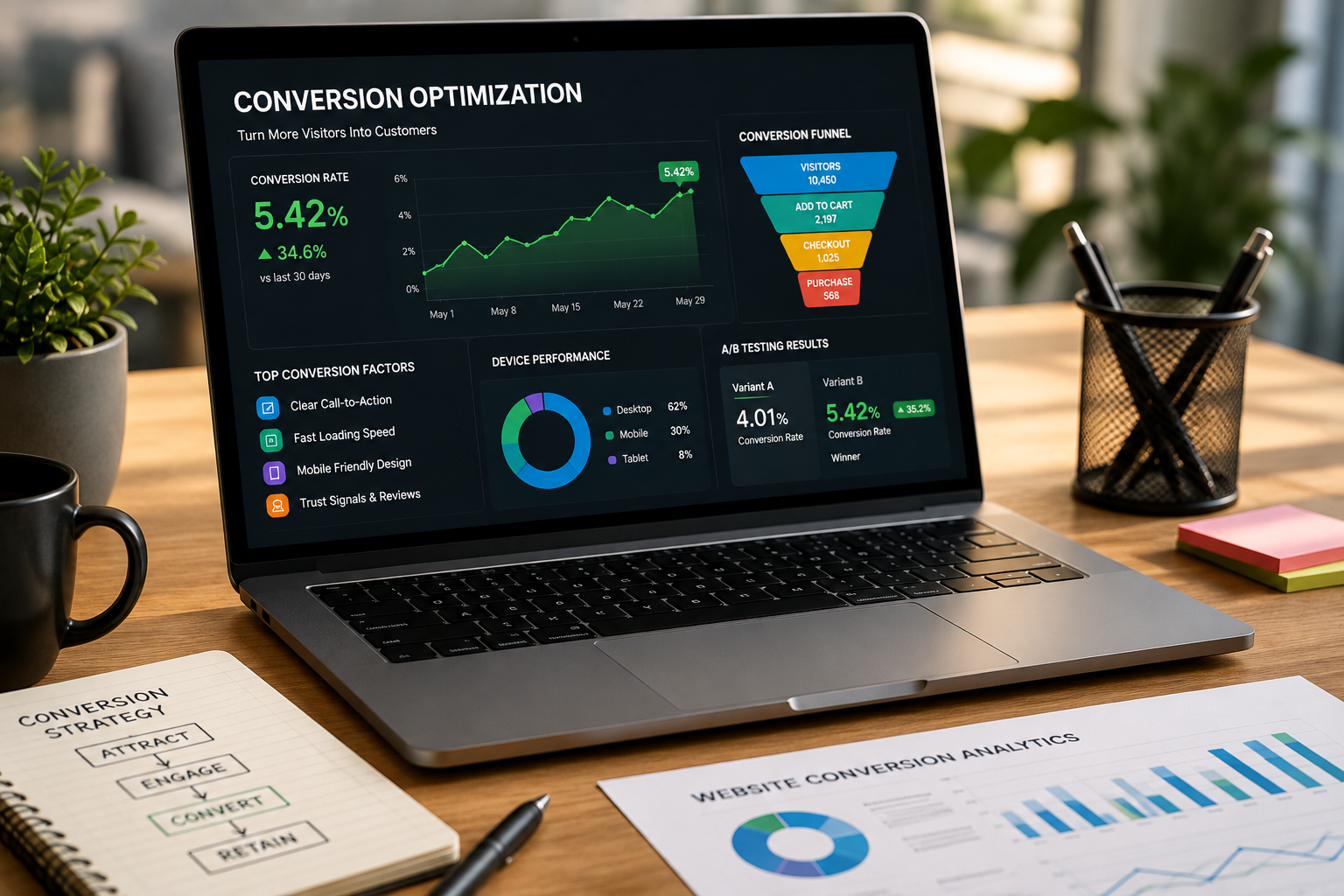
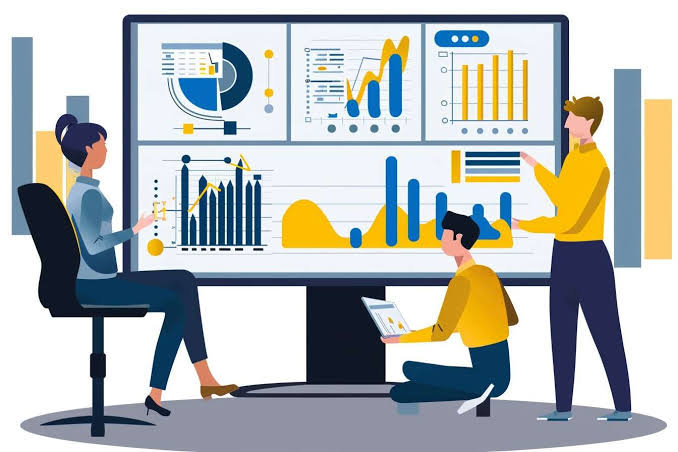
The information presented should be clear and understandable. The best performance analytics tools will have dashboards, charts, graphs, and visual reports.
Data visualization helps users easily spot patterns, correlate outcomes, and grasp vital performance metrics. An effective dashboard should have all key metrics available in a singular place.
3. Tracking key performance indicators (KPI)
Monitoring key performance indicators is one of the essential aspects of a successful analytics operation. KPIs serve as a means for organizations to track their progress towards specific goals.
Through performance analytics, users can track key metrics like productivity, sales, customer satisfaction, operational efficiency, and financial performance.
Frequent monitoring of KPIs can help to determine if strategies are in line with expected outcomes.
4. Advanced Data Analysis
Basic reports will present information, and advanced analytics will give you a better understanding. New performance analytics solutions consist of analytical techniques that identify patterns and relationships in data.
Advanced analysis enables organizations to foresee future trends, anticipate and recognize challenges, and improve performance.
5. Customizable Reports
Each organization has its own objectives and demands. Users can customize reports to meet their requirements.
Users can choose appropriate metrics, customize dashboards, and concentrate on data that is important to their goals.
This flexibility helps to make analytics more useful as teams can review performance based on their priorities.
6. Automated Reporting
Automation makes things easy and time-saving. Performance analytics platforms can automatically produce reports and provide valuable updates to users.
Automated reporting means decision-makers can always view up-to-date information without having to spend hours collecting and organizing data.
7. Multiple Data Sources Integration
The best analytics platforms should be able to gather data from various platforms and sources. Integration enables organizations to integrate data from different departments and provide a unified picture of performance.
Multiple systems provide more accuracy and enable users to make decisions based on all information.
8. Predictive Analytics Capabilities
Predictive analytics can identify future scenarios by analyzing past and present data.
Predictive features enable performance analytics to anticipate trends, predict outcomes, and provide guidance for improved planning.
With this, businesses can shift their focus from past performance to future improvement.
Performance Analytics offers Several Advantages
There are some benefits to using analytics, both for organisations and individuals. This offers some significant advantages, such as:
- The accurate data enables better decision-making.
- Improved productivity and efficiency
- Quick identification of issues
- Clear understanding of trends in performance.
- Improved use of resources
- Improved planning and goal achievement
Data-driven insights can be used to continually refine strategies and operations.
In What Ways Does Performance Analytics Help Businesses Grow?
For business growth to take place, it’s important to understand what is working and what needs improvement. Performance analytics can offer useful insights that can be used to make sure that businesses run their processes efficiently.
A company might, for instance, look at customer habits, employee productivity, or sales to identify opportunities for improvement.
Having a clearer picture of performance allows companies to build their strategies and work towards their end goals.
Why Is Data Accuracy Important in Performance Analytics?
The key to performing effective analytics is having accurate data. Lack of or incorrect information can lead to unreliable insights.
Organizations need to make sure that data collection is standardized and that high-quality data is input into analytics systems.
Accurate data enables users to make informed choices and make more successful decisions.
Conclusion
To make performance analytics effective, you need powerful features that can take the data and make it useful. All of this helps to improve the measurement and improvement of performance in real-time, visualize, track KPIs, automate, and predict.
Performance analytics will be a key tool for organizations to continue to use for efficiency, growth, and long-term success. Knowing about these features and being able to leverage them effectively can help businesses make informed decisions and continuously optimize their performance.
Frequently asked questions (FAQ)
What is Performance Analytics?
Performance analytics is the act of gathering, measuring, and analyzing performance in order to understand efficiency, productivity, and how progress is made towards targets.
What benefit will come from performance analytics?
Performance analytics is crucial because it provides organizations with accurate data, identifies areas for improvement, and enables informed decision-making.
What are the main features of Performance Analytics?
The main features include real-time monitoring, data visualization, KPI tracking, automated reporting, customizable dashboards, advanced analysis, and predictive insights.
What benefits does Performance Analytics offer to decision-making?
Performance analytics provides valuable insights from data, which helps to guide decision-making and improve performance strategies.
Is Performance Analytics readable to Small Businesses?
Absolutely, small businesses can utilize performance analytics to monitor key metrics, enhance productivity, and gain insights into their performance